

Learn with Sonia
Build the skills architecture and design school expects you to develop
Whether you’re preparing for architecture school, building your drawing skills, working on your portfolio or trying to communicate your design ideas more clearly, you’ll find free resources, ebooks and self-paced courses here to help you learn step by step.
What do you want to learn?
Architecture Drawing
Perspective
Floor plans
Line weight
Architectural sketching
Lettering
Rendering
People & Scale
Portfolios
University applications
Portfolio structure
Presentation
Layout
Communicating design thinking
Architecture School
Preparing for first year
Studio skills
Tutorials
Crits
Design process
Communication
Start for free
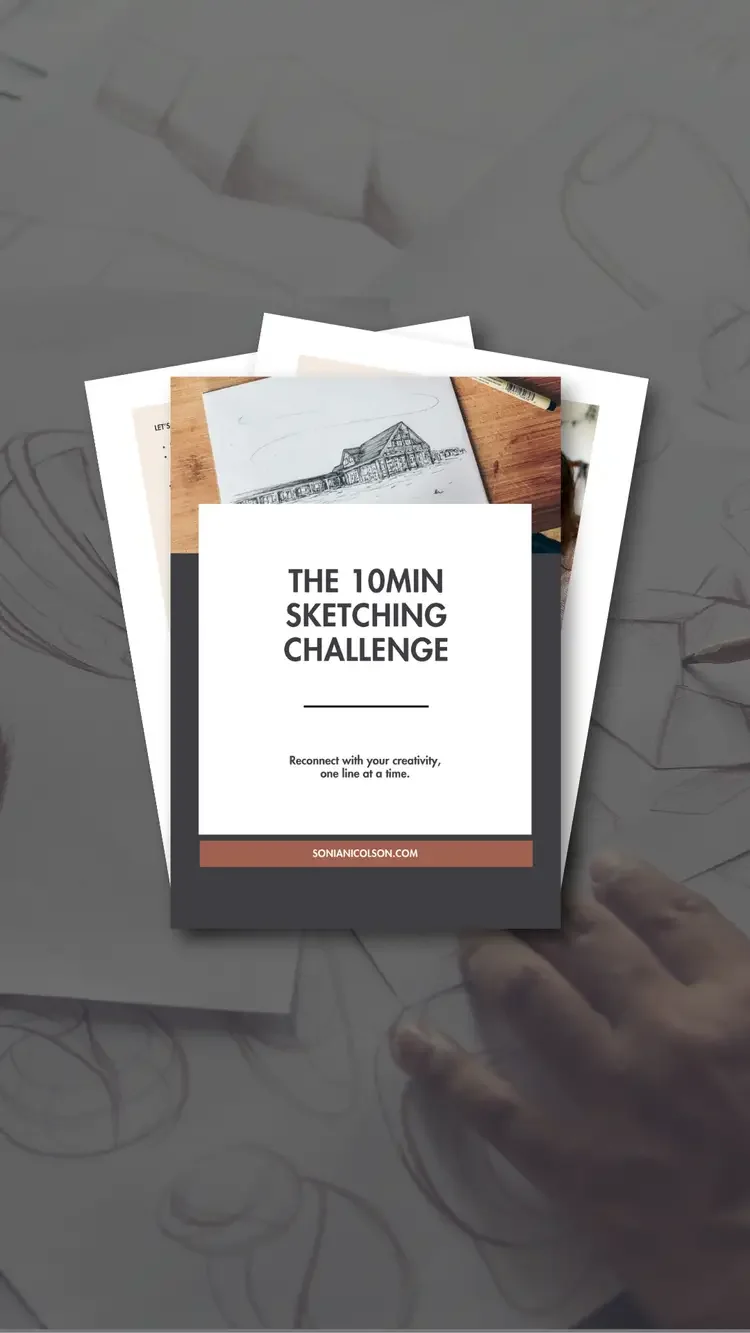
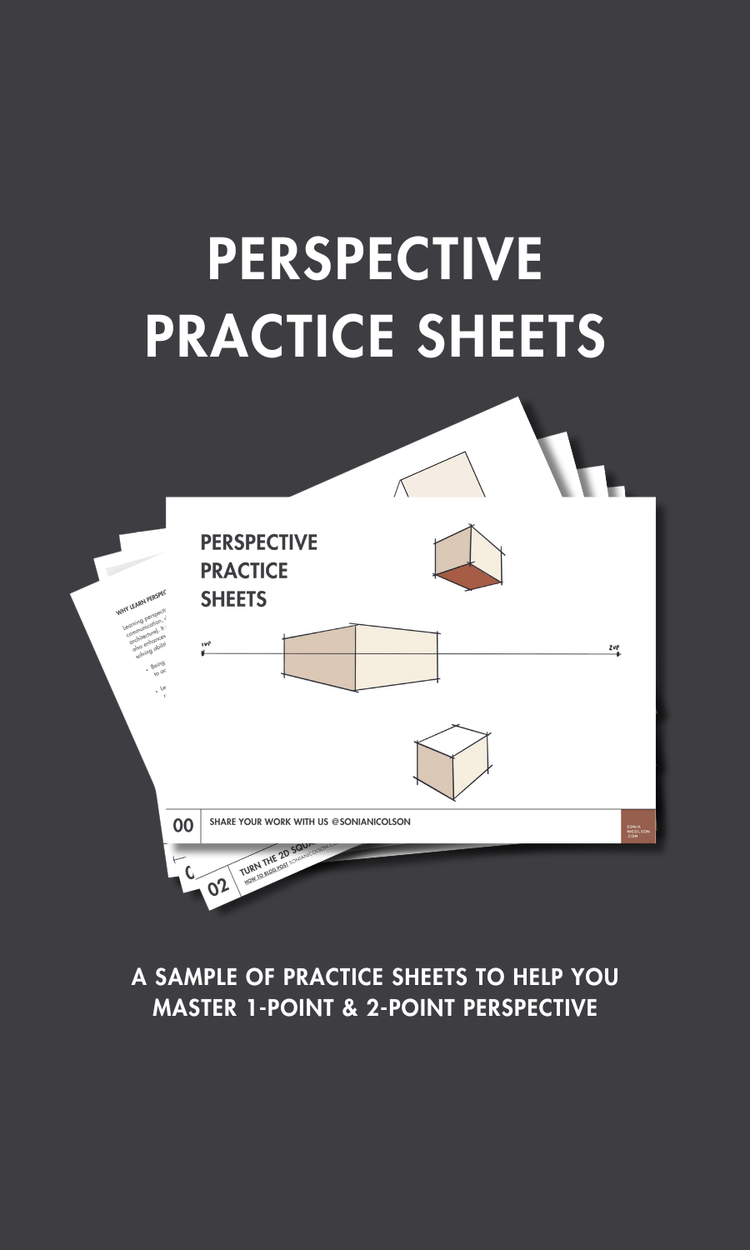
COURSES, EBOOKS & GUIDES
based on 15+ years of teaching Interior Design & Architecture
Drawing Foundations

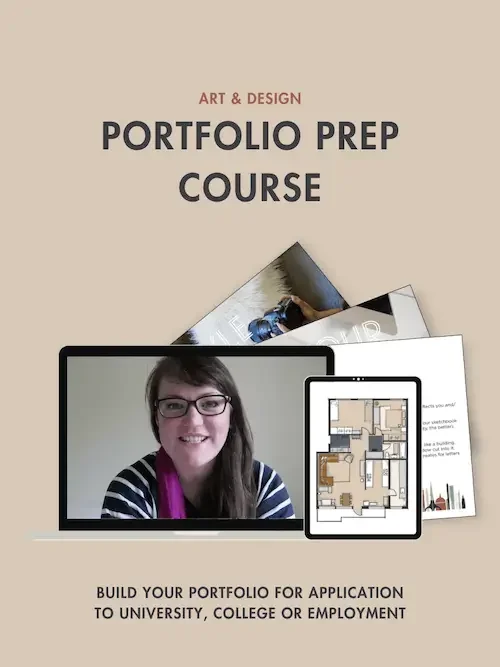
Portfolio
NEED PERSONALISED HELP?
Stuck on your university project?
Book a 1:1 Architecture Tutorial
Need help navigating architecture school or your next step?
Explore 1:1 Mentoring
Want expert eyes on your portfolio?
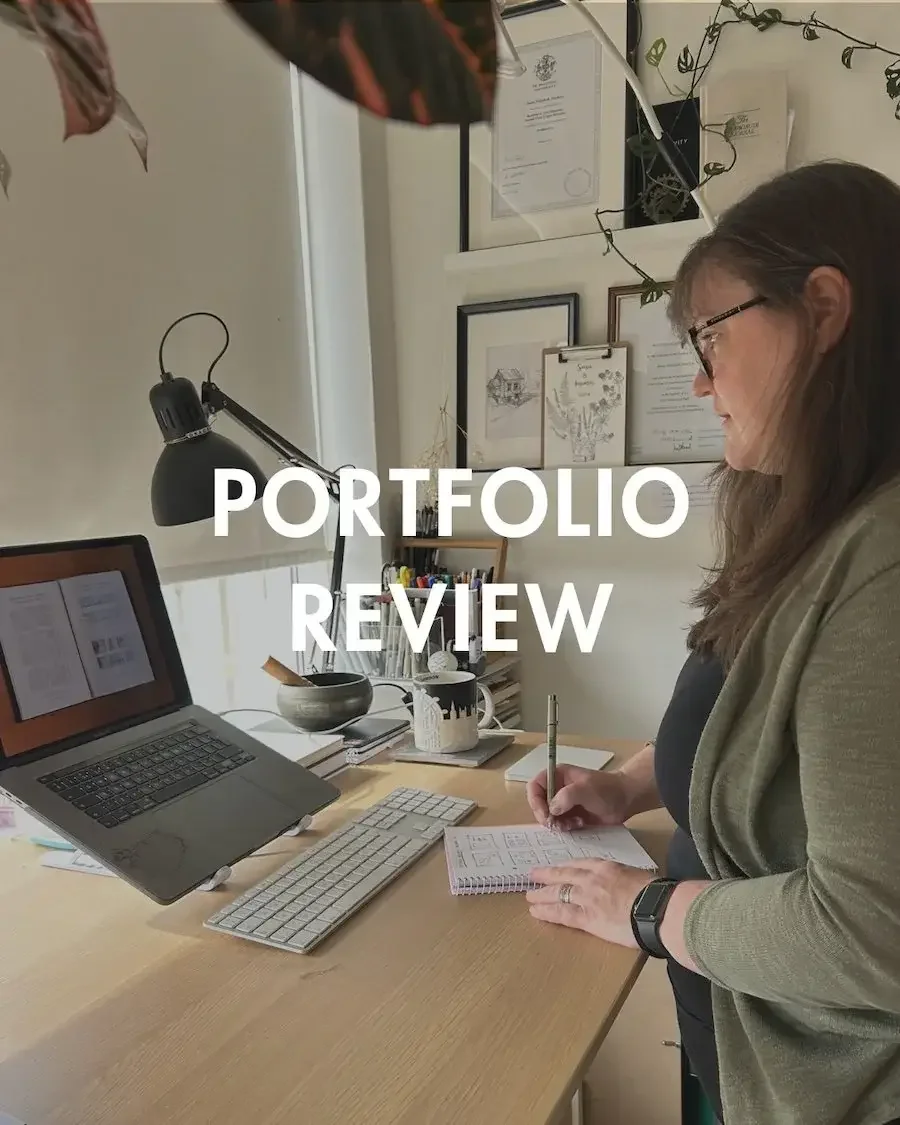
Book a Portfolio Confidence Review™
Architecture school essentials
The drawing tools and books I actually recommend as a former Lecturer
Drawing kit
Grip pencil with leads & a technical drawing pencil
Fine-liners & technical pens for linework
Grey, blue, brown, yellow Copic markers for shadows & depth
Different sketchbooks for studio and travel
Watercolour paints, scrap paper, brushes, white pen
Essential tools (scale ruler, scalpel, measuring tape, metal ruler, cutting board, different glues, tracing paper, etc.)
Books
A short list of books that shaped how I think, teach, and design - ideal for building a strong creative foundation and design mindset.
Reading design magazines and journals helps you think like a designer beyond the studio. You’ll see how ideas become built projects, learn the language of critique, and understand what makes design meaningful. This is exactly how I teach students to develop strong portfolio ideas.
Architecture & Interiors:
Frame - contemporary interiors and spatial design innovation
Wallpaper - global design, architecture, and art trends
Architectural Review - essays and critical writing on the built environment
Design & Culture:
ELLE Décor - interiors, materials, and trend insights
ICON - design, technology, and cultural commentary
Disegno - in-depth analysis of contemporary design issues
Useful websites/Journals
dezeen.com - leading architecture and design news
archdaily.com - global projects and competitions
inhabitat.com - sustainable design and innovation
design-milk.com - modern furniture and interiors
bdonline.com - architecture and construction updates
FAQ
Are these resources really free?
Yes. All free resources are designed to help you get started and understand the foundations before deciding what to learn next.
Which free resource should I start with?
Start with the resource that matches your current challenge, whether that’s perspective, drawing basics, or portfolio preparation.
Do I need special tools or software?
No. Most resources can be used with simple pens, paper, and basic drawing tools.
What should I do after downloading a free resource?
Use it, then move on to a more structured course or guide if you want deeper learning and support. Each resource includes suggestions for what to learn next.
Are these suitable for beginners?
Yes. All resources are designed to be accessible, even if you’re starting from scratch.
Choosing The Right Course
Which course should I start with?
If you’re new, start with a foundational drawing resource such as my Floor Plan Course or Perspective eBook. If you already have experience, choose the resource that fills your specific gap.
Are the courses self-paced?
Yes. All courses and ebooks are self-paced, so you can learn around your life and studies.
How long do I have access?
You receive lifetime access to digital courses and downloads.
Do your courses help with architecture portfolios?
Yes. Many courses directly support portfolio development by improving drawing clarity and architectural understanding.
Are these suitable for architecture students and graduates?
Yes. The content supports students at different stages, from applicants and first-year students to graduates wanting to strengthen fundamentals.
Pro Tip: Save inspiring projects and articles in a digital archive or Pinterest board to reference for your portfolio or future design briefs.
Start Anywhere, But Start
You don’t need to know everything before you begin. Start with the skill you need now, practise it, and build from there.

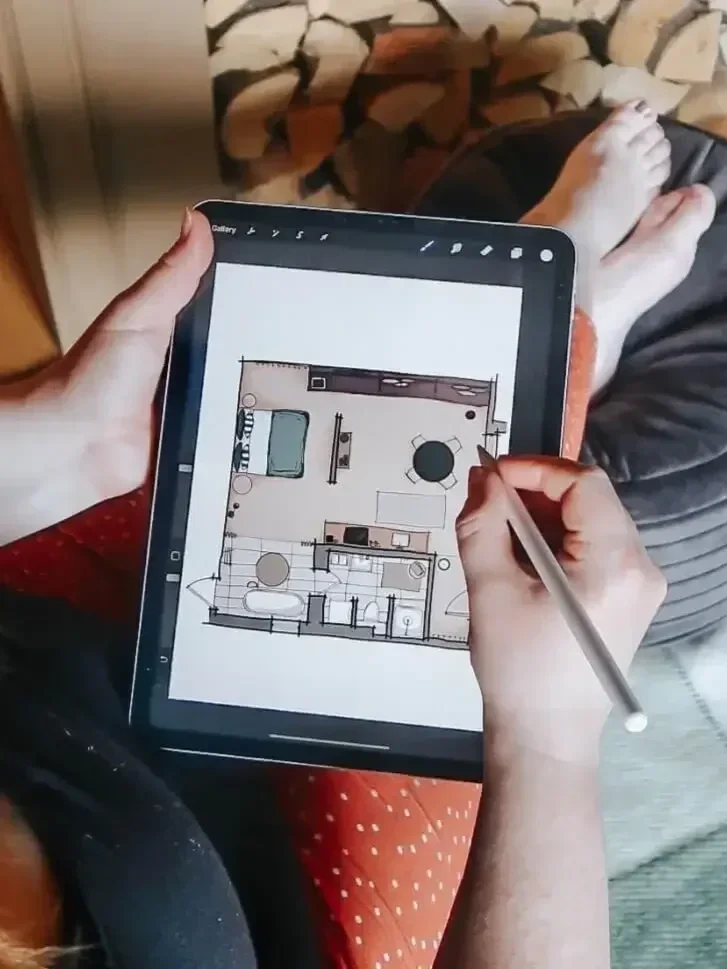
If your floor plans look empty, flat, or hard to read, this guide will fix that. Learn how to draw people and furniture in plan, so your layouts communicate scale, movement, and real life - exactly what tutors look for in first-year projects and portfolios.
This guide is for:
Architecture & interior students drawing floor plans
Portfolio applicants
Anyone whose plans look empty or unclear
What’s Included
A downloadable PDF ebook
Clear hand-drawn examples
Simple explanations of scale and proportion
Practical references you can use while drawing