

Drawing Warm-Up Exercises, How to Warm Up Before You Start Drawing
/Feeling stuck or unsure where to begin with your architectural sketches, urban drawings, or interior design concepts? Warming up before you start drawing is a simple but powerful way to loosen your hand, quiet perfectionism, and build confidence before you commit to a sketch.
In this post, I’ll share practical drawing warm-up exercises specifically designed for:
Architecture students
Urban sketchers
Interior designers
These exercises take just 5–10 minutes, but they can completely change the quality of your drawing session. Warming up before drawing isn’t about talent - it’s about preparing your hand and your mind to work together.
Why Warming Up Matters for Architecture Students and Urban Sketchers
When you sit down to draw, especially if it’s been a while, your hand might feel stiff, or your mind might race with doubts. That’s normal.
Warm-up exercises:
Improve line confidence
Strengthen hand control
Sharpen observation
Reduce perfectionism
Build drawing momentum
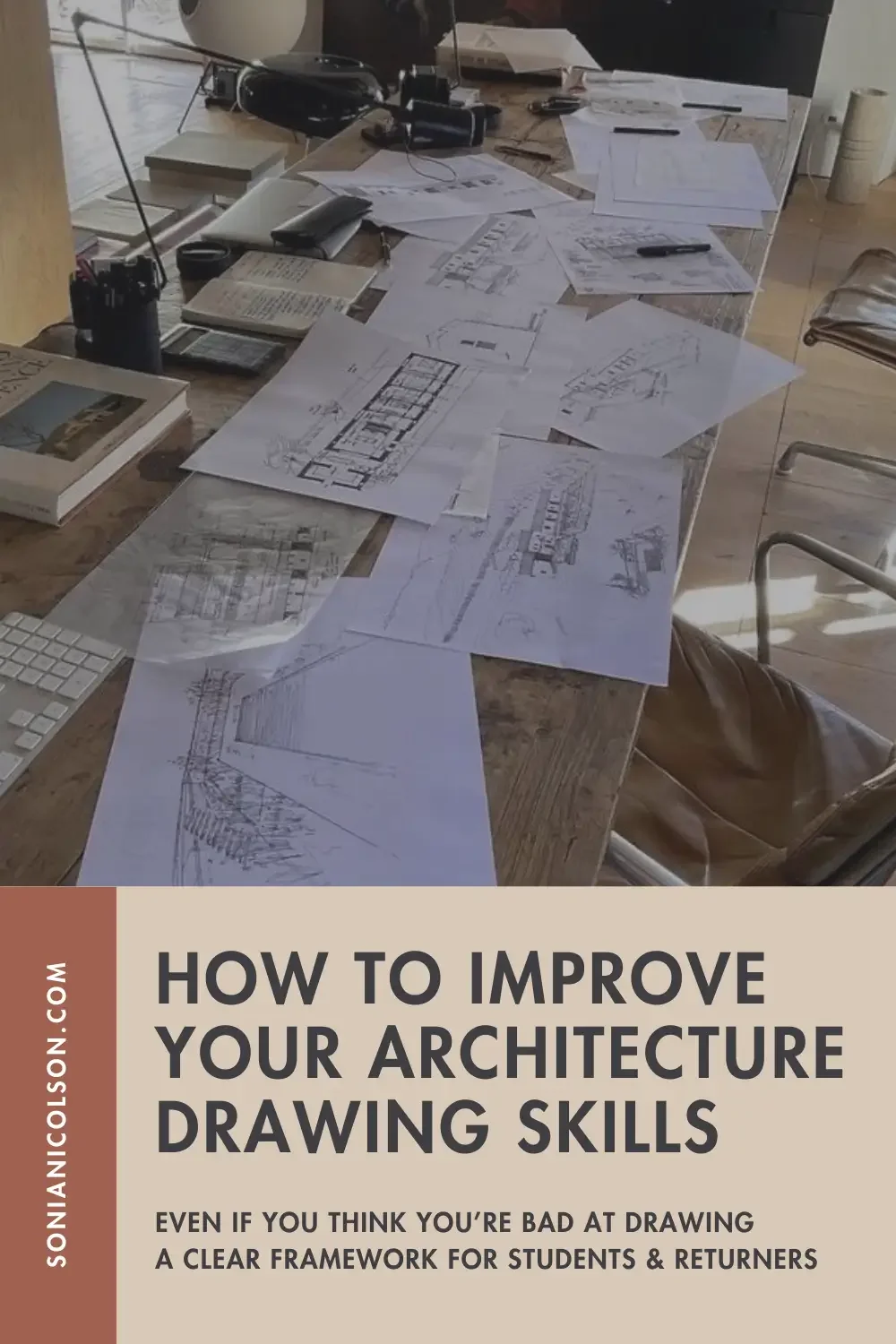
It’s like stretching before a workout. You wouldn’t start sprinting without warming up. Drawing is no different. If you're building foundational skills, you might also find my guide on improving your architecture drawing skills helpful, where I break down the core principles step by step.
5 Warm-Up Exercises to Start Your Drawing Session
1. Mark-Making Practice (For Architectural Texture & Line Confidence)
Grab your favourite pen or pencil and fill a page with different types of marks:
Dots
Parallel lines
Cross-hatching
Circles
Squiggles
For architecture students: Practice consistent parallel lines. This strengthens your ability to draw clean elevations, sections, and controlled floor plan line weights.
For urban sketchers: Experiment with broken lines and varied pressure to suggest stone, brick, timber, shadow, and weathered surfaces.
For interior designers: Practice controlled hatching to represent materials such as fabric, timber grain, or tile patterns.
This simple exercise builds control and confidence quickly.

2. Continuous Line Drawing
Pick an object in front of you, such as a chair, plant, or building facade, and draw it without lifting your pen from the page. This trains hand-eye coordination, observation, and fluid line movement.
For architecture students, this helps you stop over-correcting and start trusting your eye.

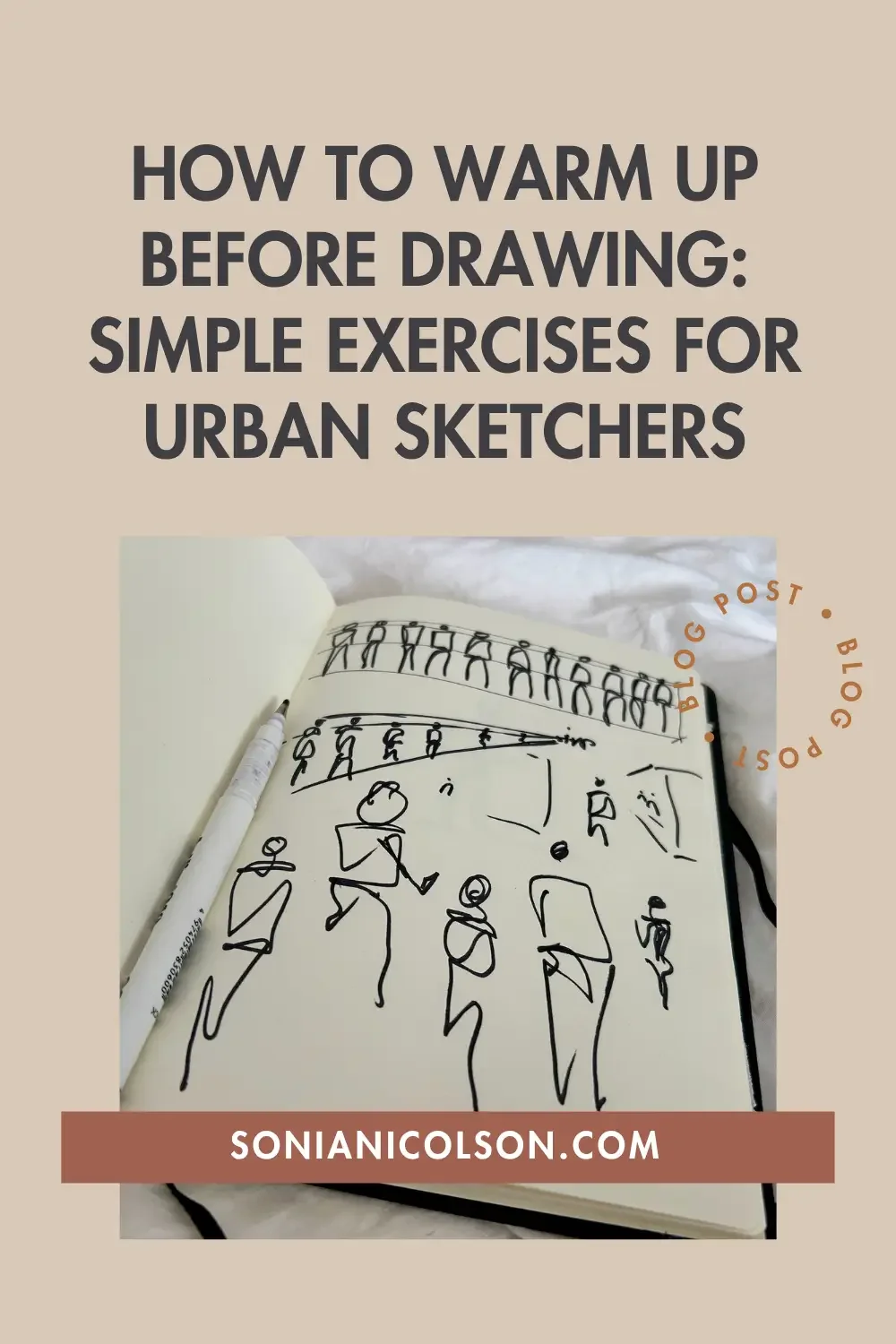
3. Gesture Sketching
Set a timer for 30–60 seconds and quickly sketch:
People walking
Trees moving in the wind
Building forms
Interior spaces
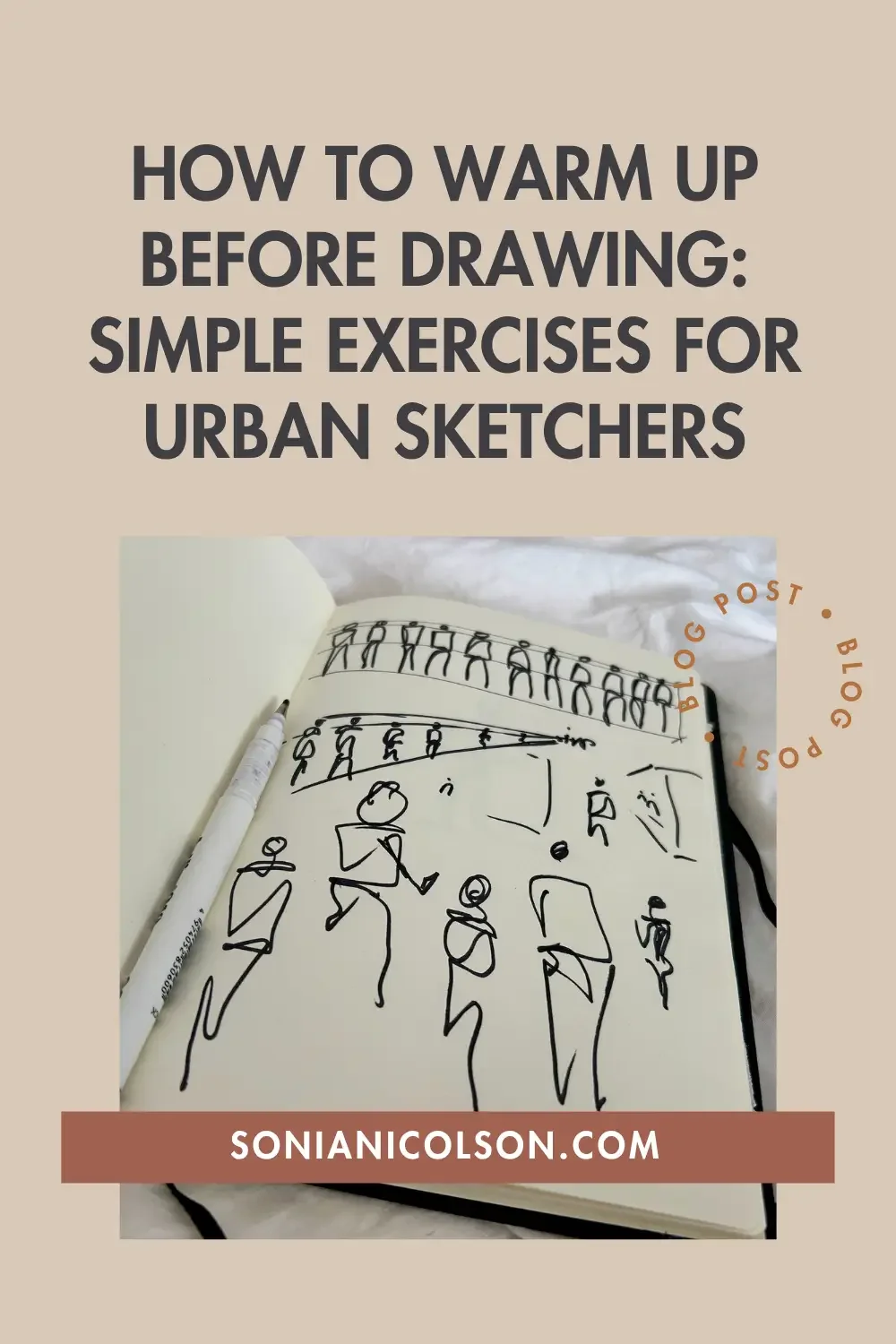
Focus on capturing proportion and movement rather than detail. Gesture drawing strengthens your ability to quickly understand mass and structure, which is essential for urban sketching and early-stage design thinking.

4. Shape Repetition
Draw: (vary size, speed, and pressure)
Circles
Squares
Triangles
Rectangles
This builds muscle memory and control, especially useful for floor plan block layouts, structural diagrams, and composition studies.

5. Free Doodle Time
Let your pen move freely across the page. Draw abstract shapes, patterns, architectural forms, or invented facades.
This removes pressure and encourages creative flow before you move into more structured drawing.

6. Ellipse & Perspective Warm-Up (For Architecture & Interior Design Students)
Draw rows of ellipses inside squares.
Practice drawing:
Cylinders
Boxes
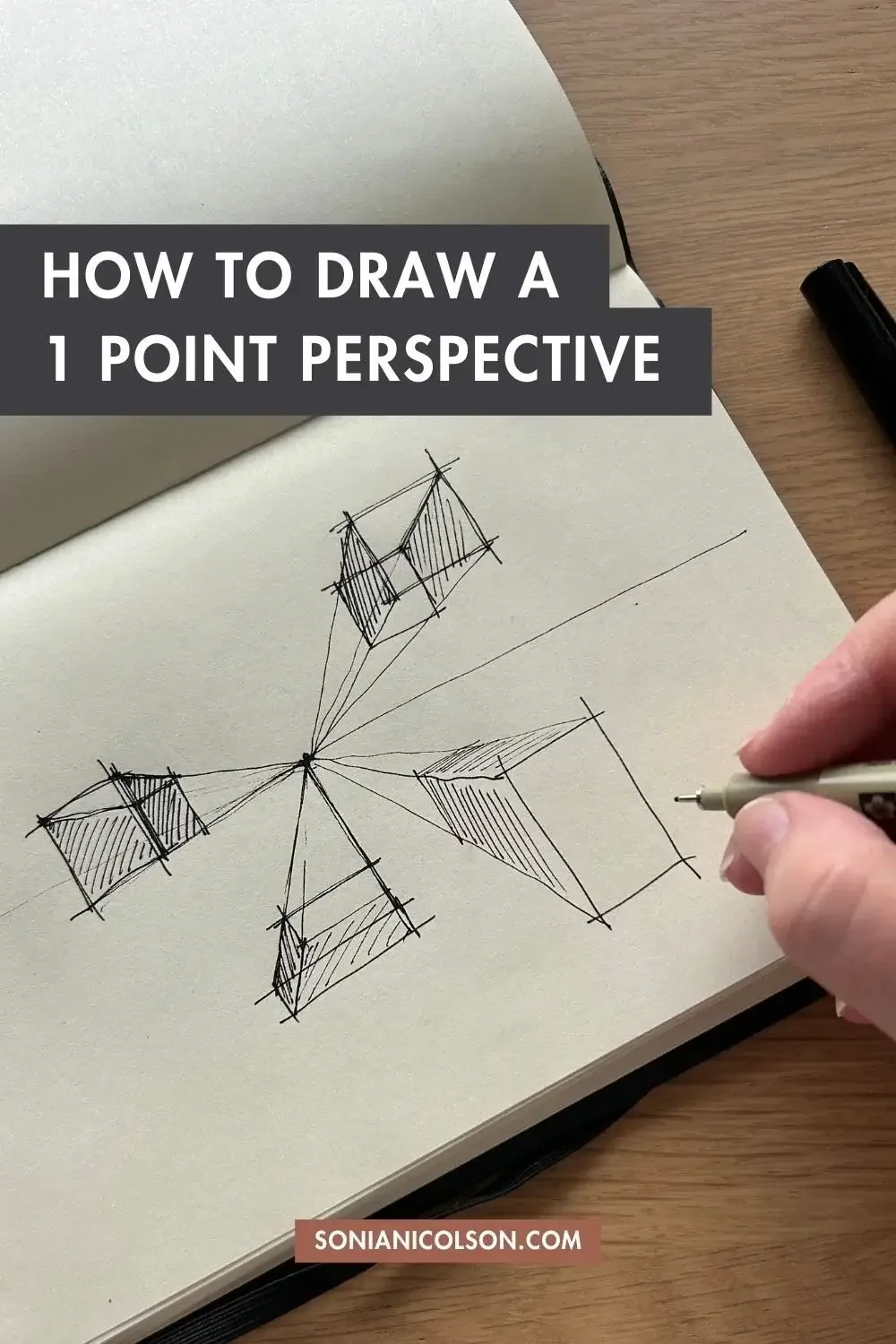
One-point perspective forms
Two-point perspective forms
This is especially powerful if you’re working on one-point perspective and two-point perspective drawings.
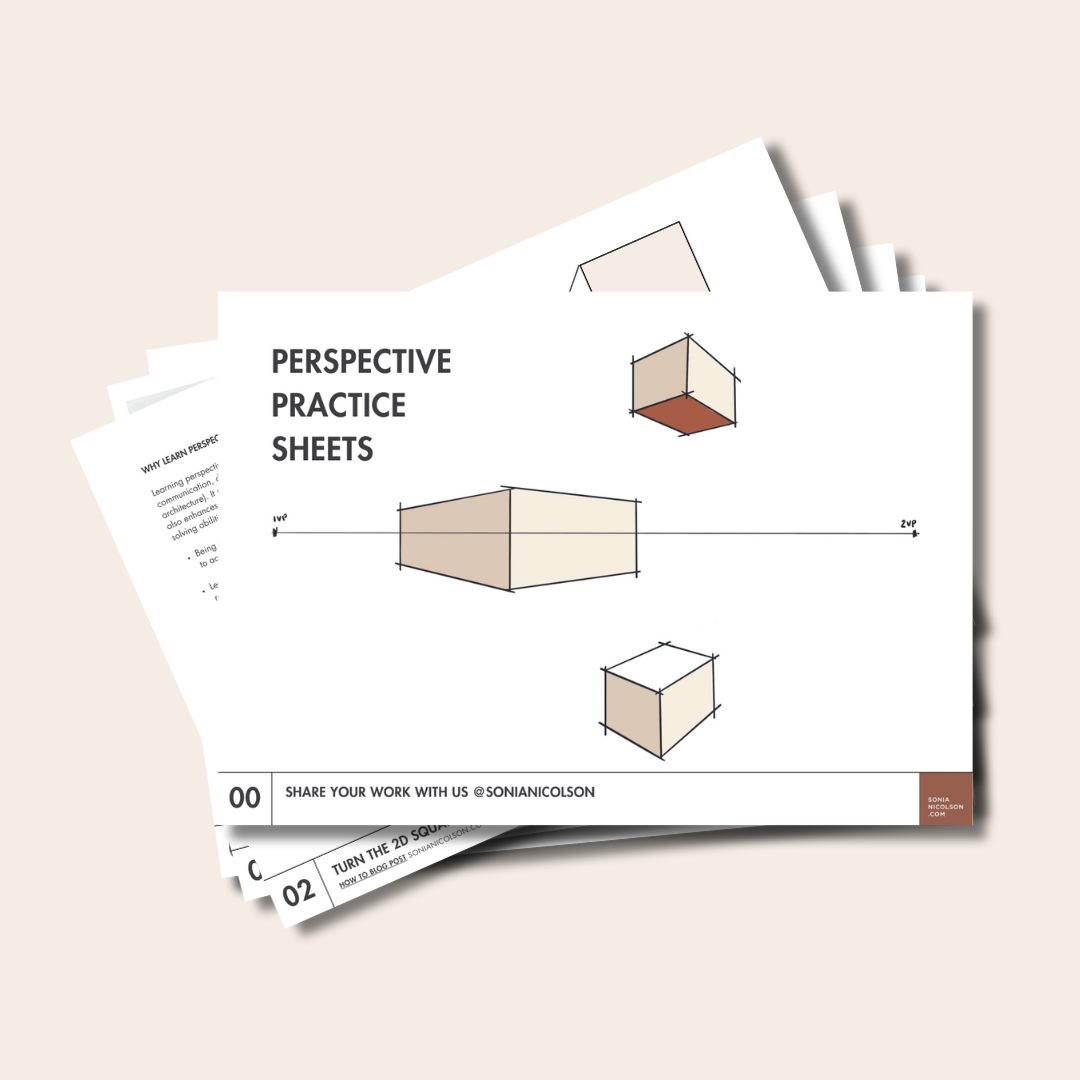
If perspective feels challenging, I go deeper into this in my Perspective Drawing eBook, where I explain vanishing points, eye level, and structure clearly and simply.
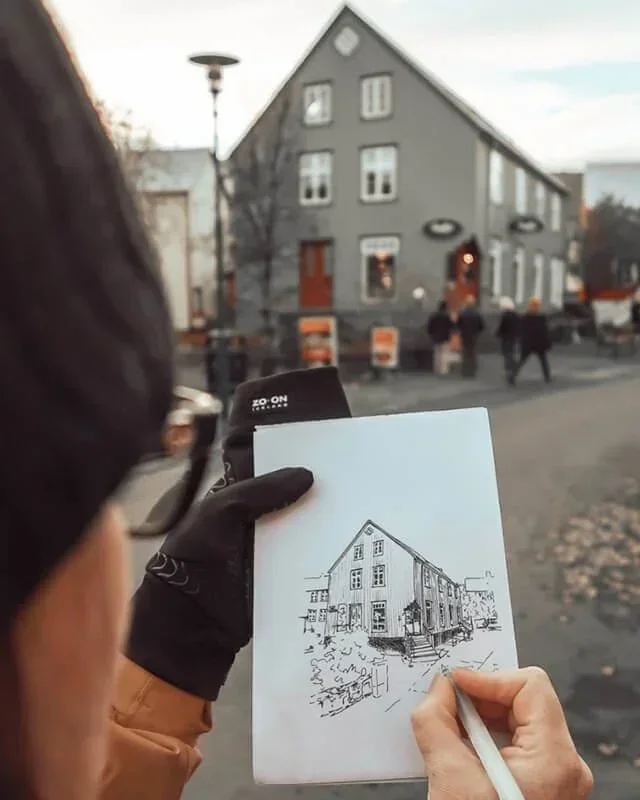
7. Quick Building Silhouette Studies (For Urban Sketchers)
Set a timer for 60 seconds. Draw only the outline silhouette of a building - no windows, no detail. Just mass and proportion.
This trains your eye to see overall composition and structure before detail. It’s one of the fastest ways to improve urban sketching confidence.
8. Room Layout Thumbnails (For Interior Designers)
Draw small 5cm x 5cm squares. Inside each square, sketch a quick room layout from memory.
Use simple blocks to represent:
Sofa
Table
Bed
Kitchen units
Don’t worry about scale at this stage.
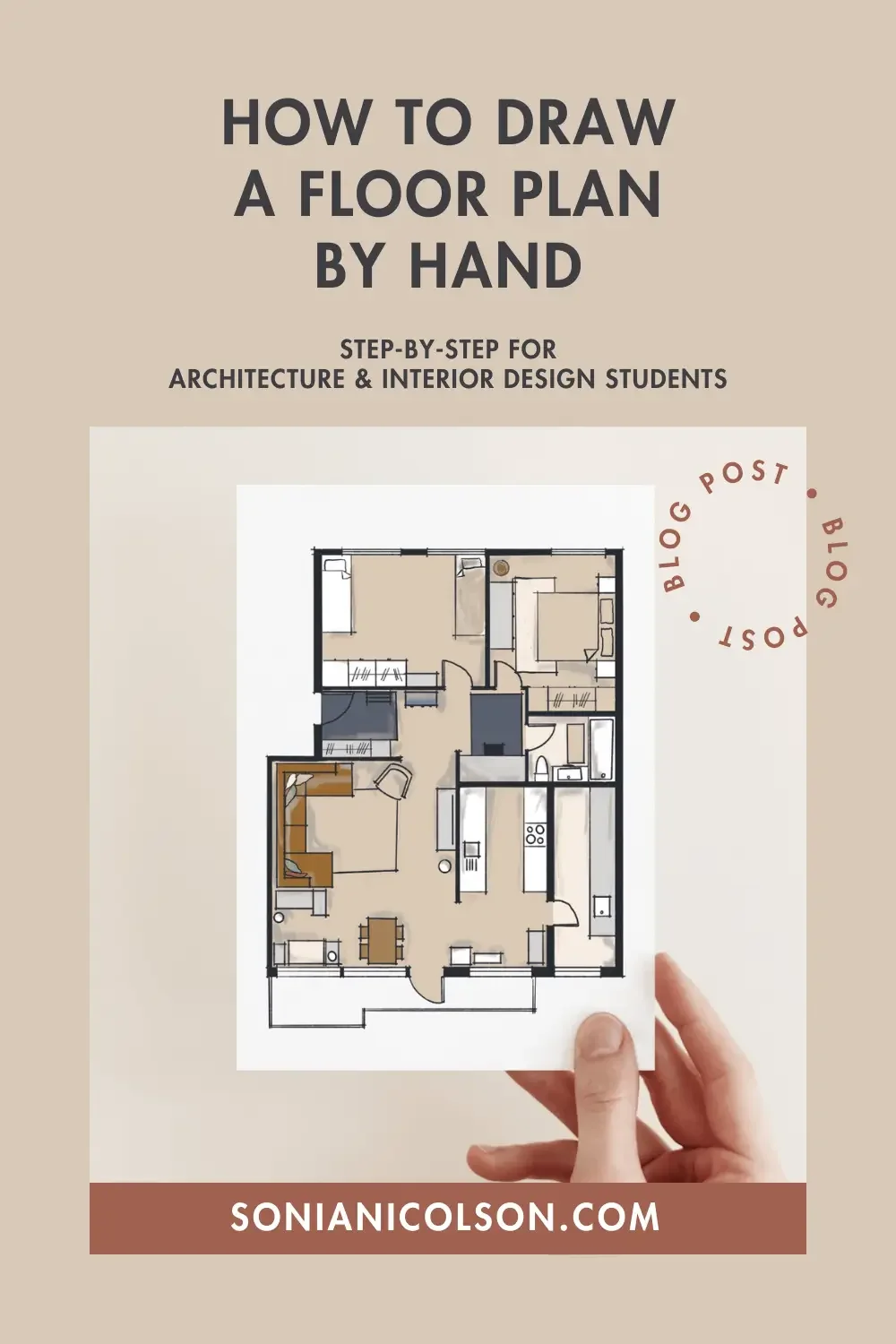
If you want to develop this skill further, especially learning how to draw floor plans clearly by hand, my floor plan course walks through the process step by step.
Tips for Making Drawing Warm-Ups a Habit
Set aside 5–10 minutes before each drawing session
Keep a dedicated warm-up section in your sketchbook
Use warm-ups to test new pens or techniques
Focus on progress, not perfection
The goal is confidence and flow, not a finished artwork.
Want More Structured Practice?
Warm-ups are powerful, but they are only the beginning. If you're serious about improving your architectural drawing skills, you also need to understand:
Perspective
Line weight
Floor plan thinking
Visual communication
You can start with my free architectural lettering guide to strengthen your presentation style.
Or, if perspective is the area holding you back, explore my Perspective Drawing eBook for a structured, beginner-friendly system.

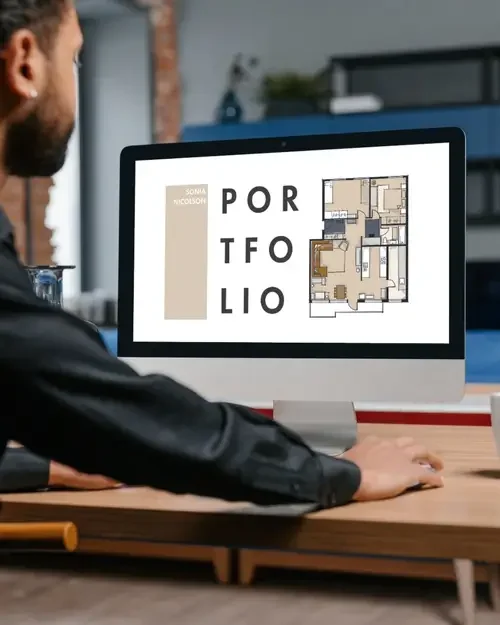

Architectural lettering is the professional handwriting style used on drawings, plans, and portfolios. In this guide, you’ll learn the simple rules architects use for clean, consistent lettering - plus download free practice worksheets (PDF) to improve fast.