Books for Architecture Students & Designers
/
A curated reading list for architecture and design students, from must-have textbooks and inspiring design classics to new releases for your creative journey.
Read MoreRead practical tips, creative stories & resources for students, architects & designers - from career advice to hand drawing, sketching & studio life.
A curated reading list for architecture and design students, from must-have textbooks and inspiring design classics to new releases for your creative journey.
Read MoreAfter years of constant movement and academic pressure, Iceland gave me the space to breathe again. Sketching Reykjavik helped me find home, reconnect with creativity, and redefine what balance means as both an architect and a mum.
Read MorePreparing for your art or design university interview? This comprehensive guide, written by a former university lecturer, walks you through how to create a standout portfolio, what to include, how to present it, and what to expect on the day so you can walk in feeling confident and ready to impress.
Read MoreA practical and uplifting guide for students and creatives. Learn how to boost your creativity, manage overwhelm, and rebuild your confidence with simple daily rituals.
Read More
Back from Iceland, and what an amazing summer, I'm ready to get back into the studio and start working towards...dare I say it, Christmas. This year I'm stepping up my game, challenging my confidence, and getting my work out there at local craft fairs. I'm taking part in not one but two local Etsy fairs and will be busy for the next few weeks prepping my prints and products ready for Etsy Autumn & Christmas markets. I'm super excited about them but am also very aware of how much work the previous 'Art in the Park' (image above) took, but meeting other stallholders and, hopefully, lots of you guys make it all worthwhile. So let the planning begin and the creating continue.

I'm already excited for this year’s run-up to Christmas and the fairs I'm working towards. I haven't done a lot of local craft fairs but those I have, have been very successful and a lot of fun so I thought I'd share my top tips for setting up and running a stall. If you're thinking about having a stall at a fair, then go for it, what's stopping you?! And, if you have signed up and it's your first time, enjoy it and let me know how it goes.
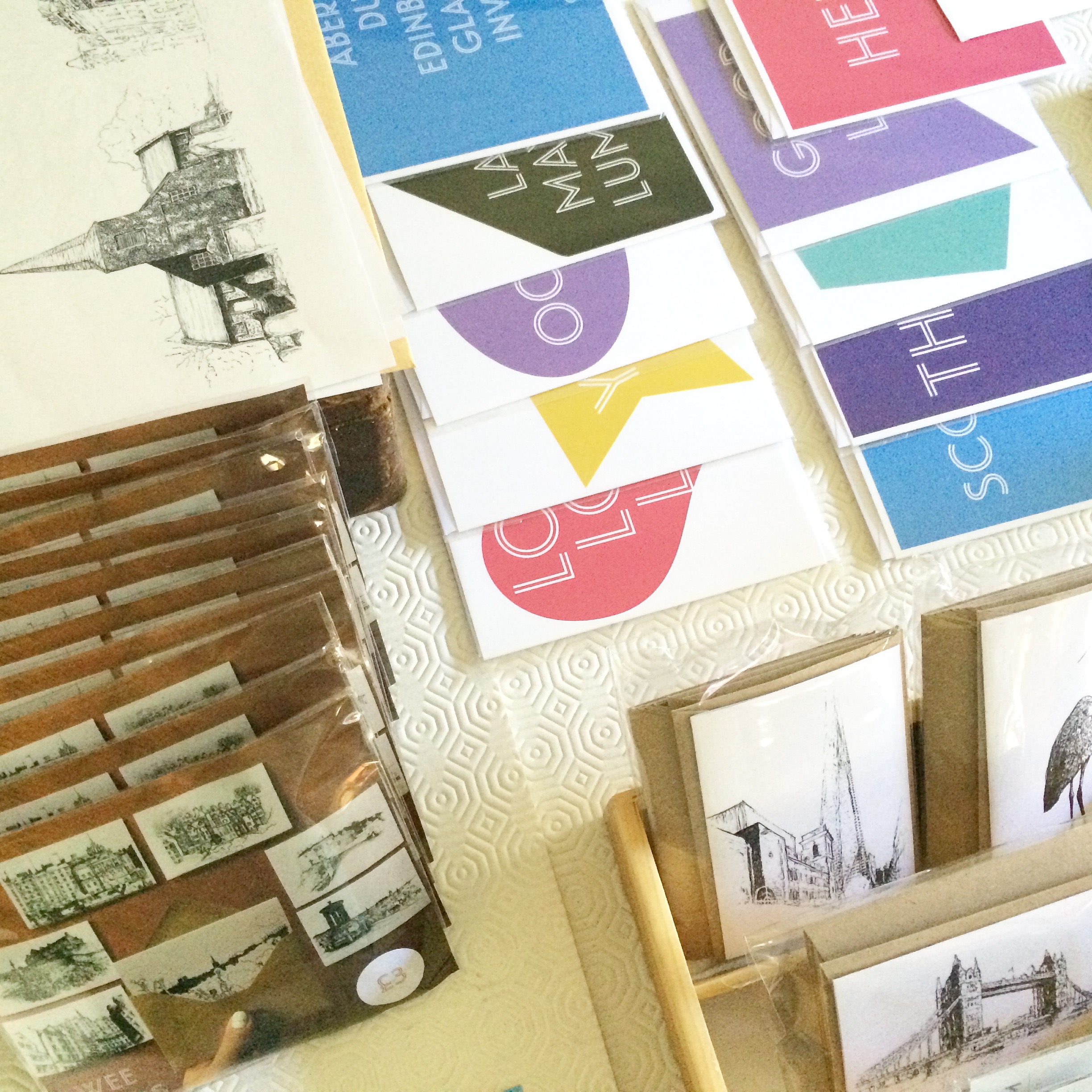
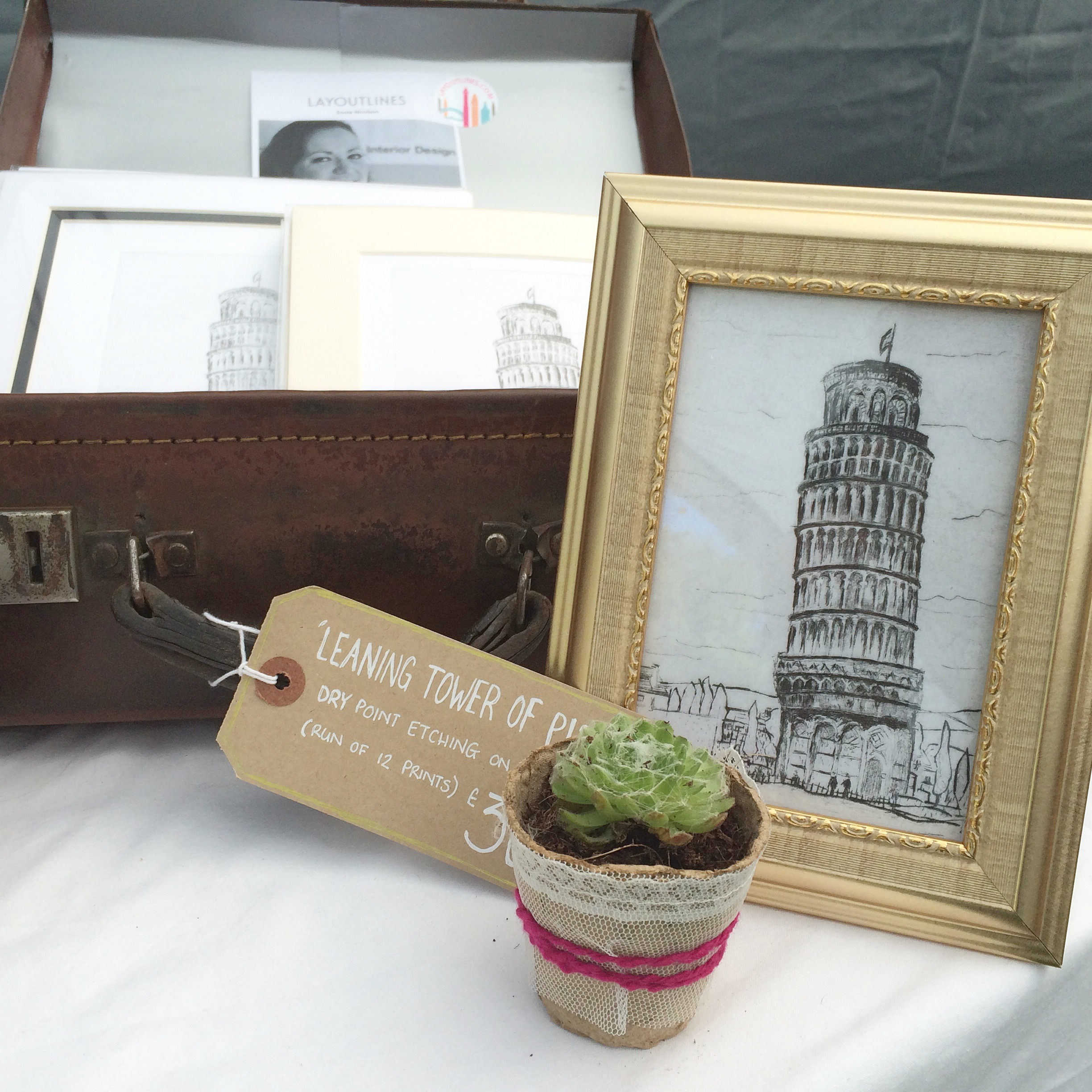
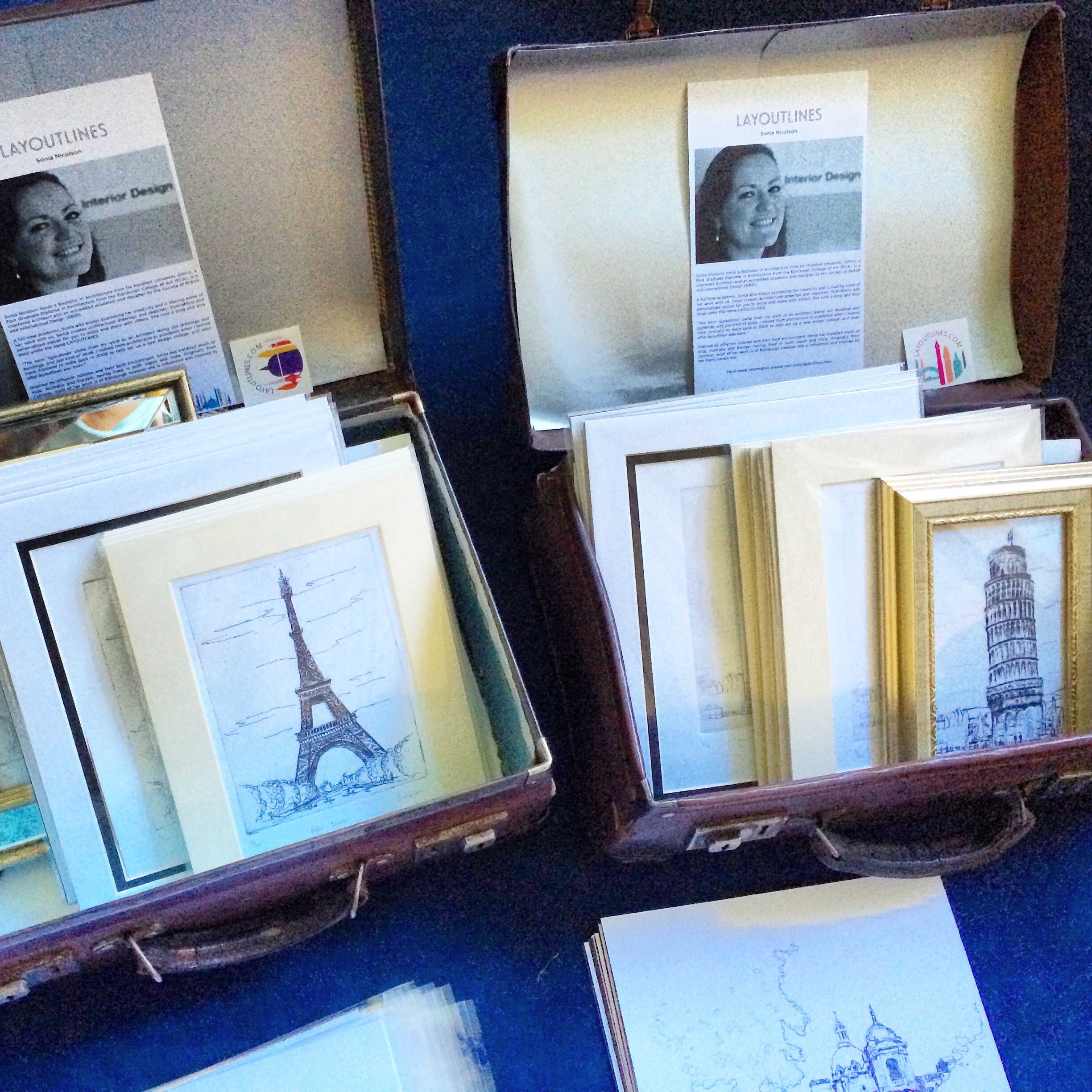
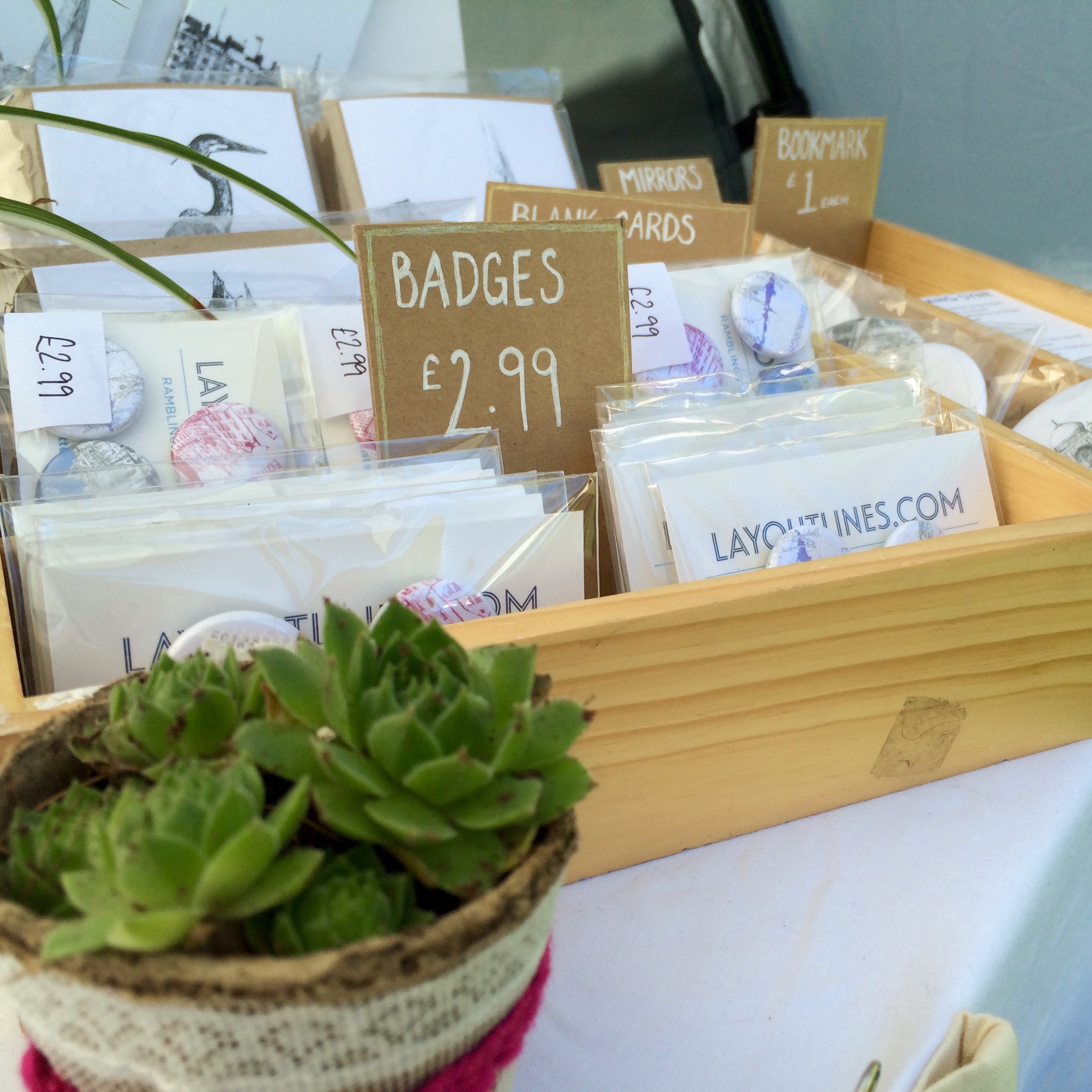

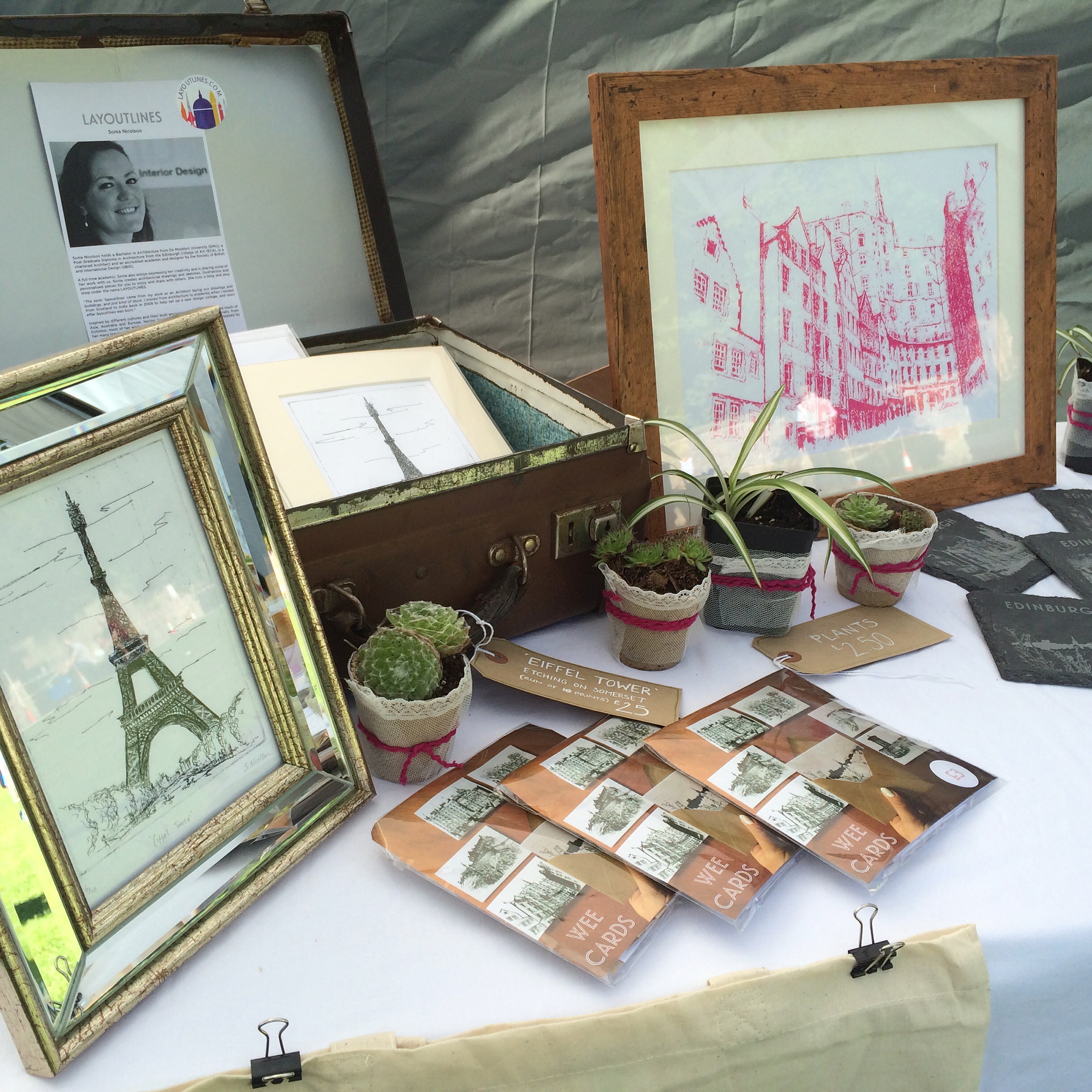
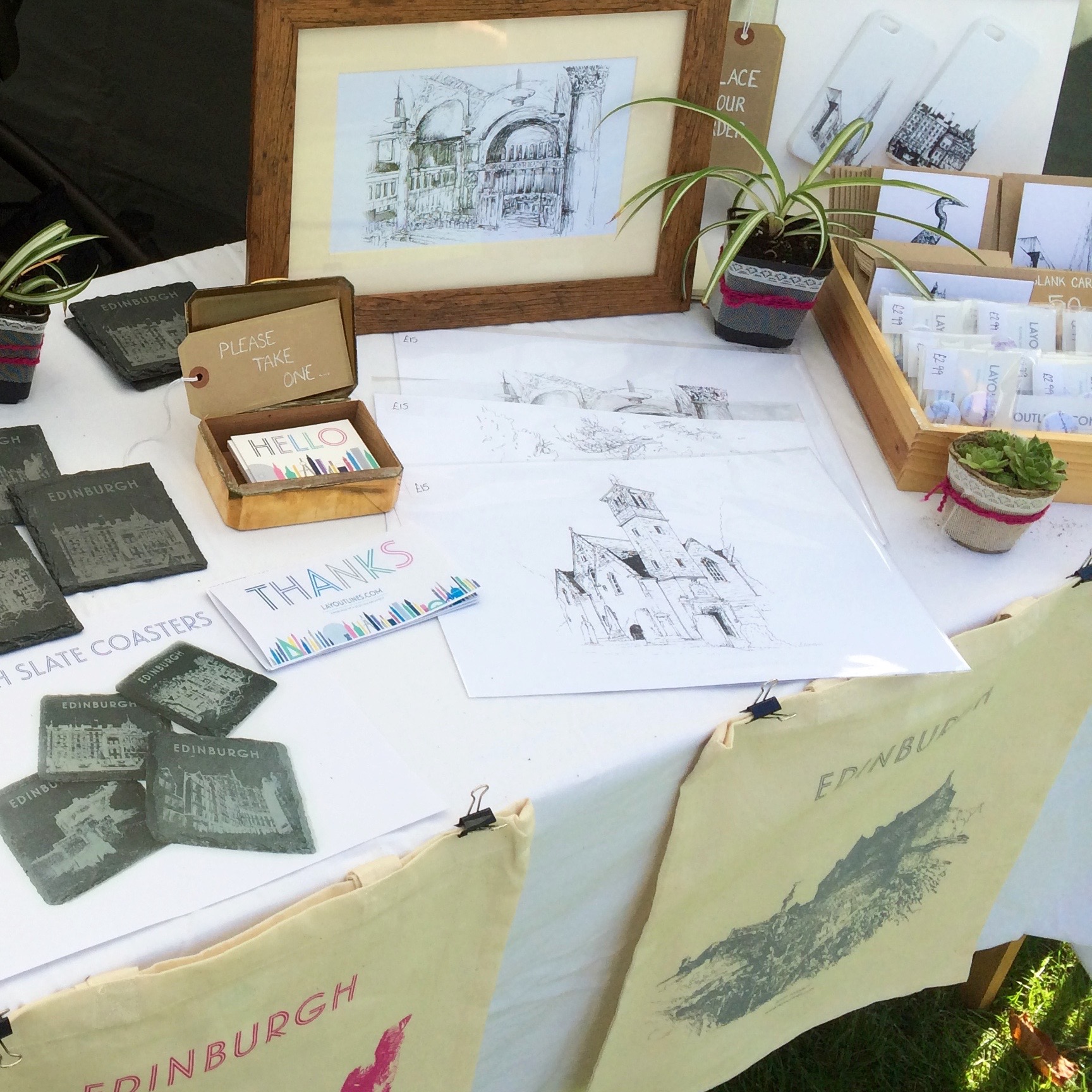
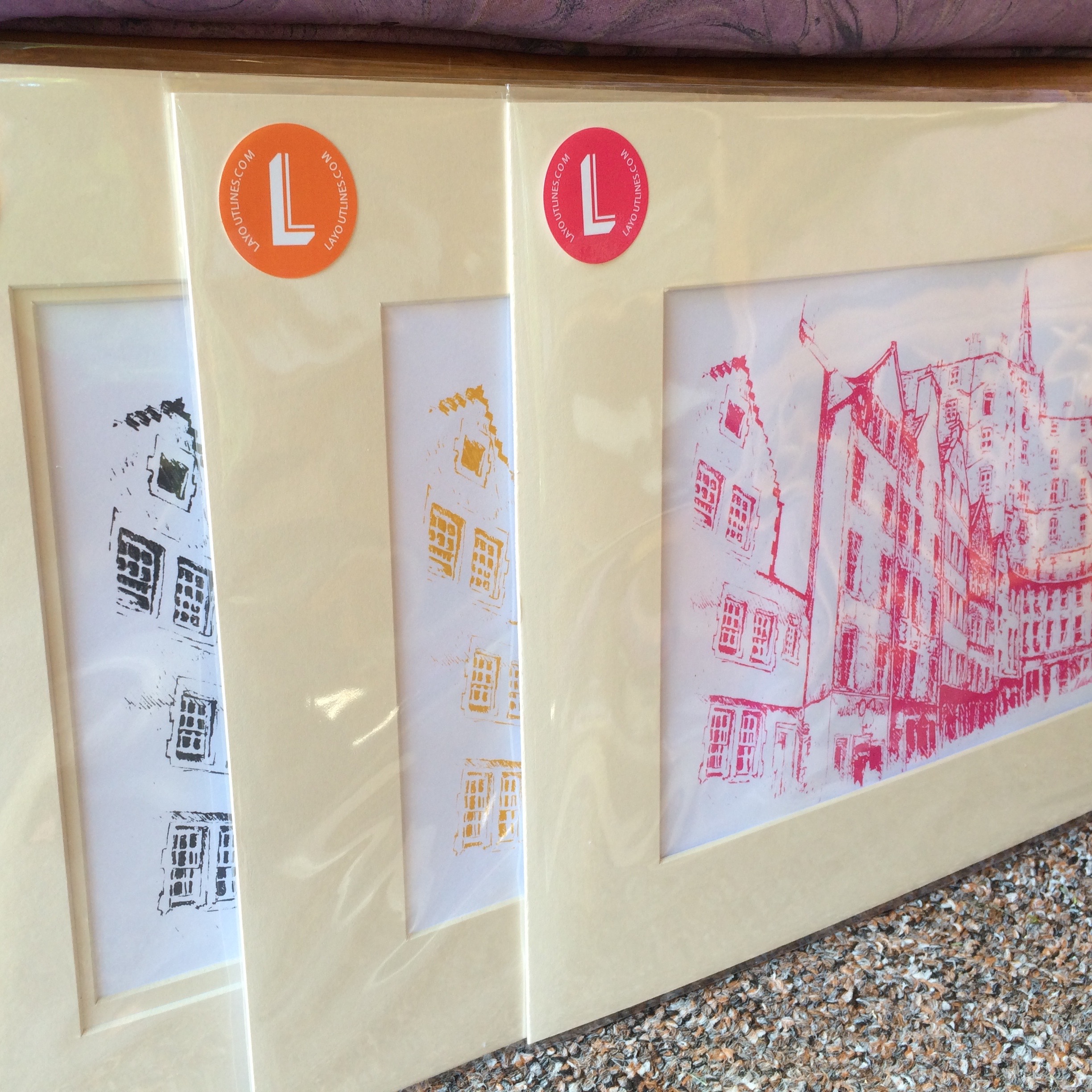
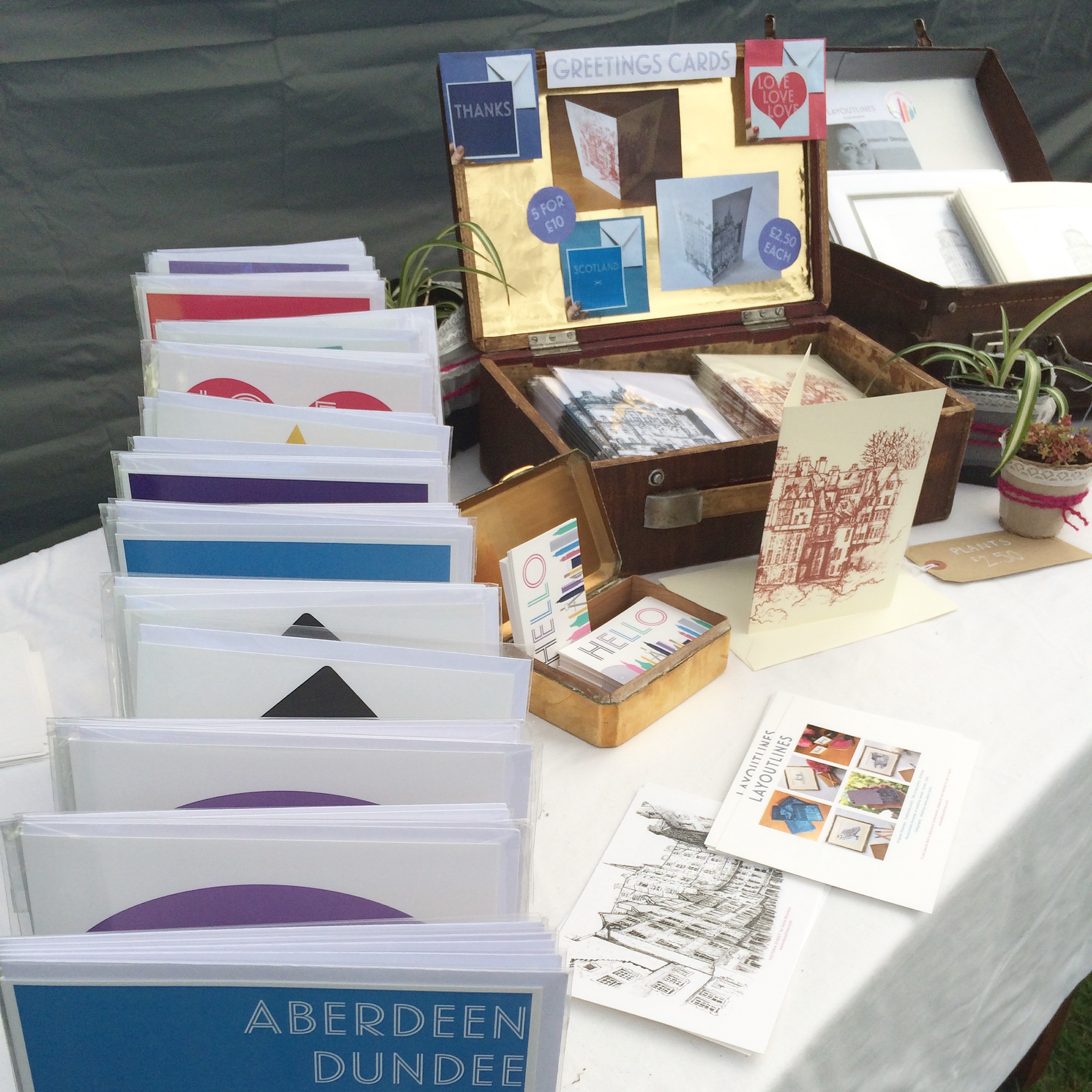
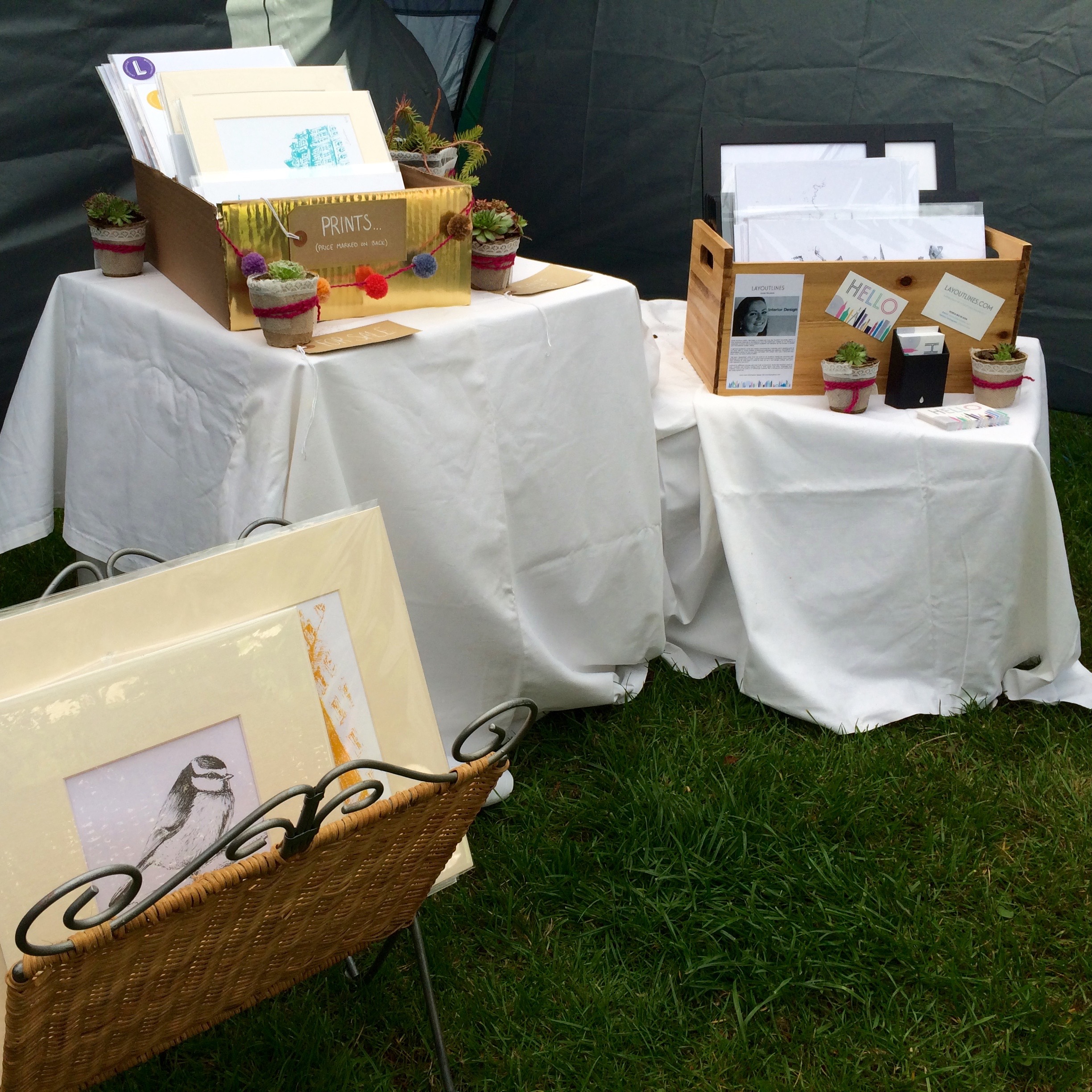
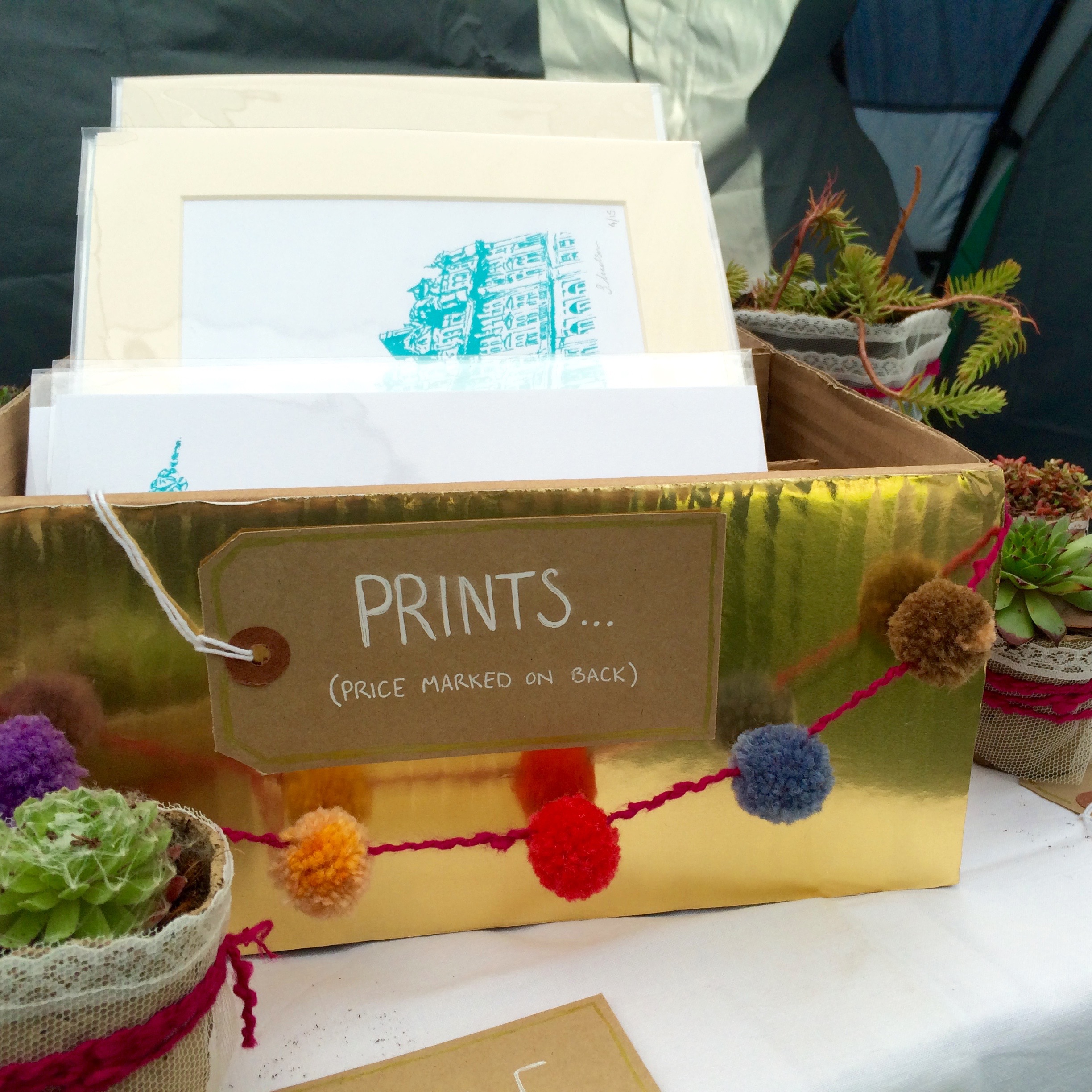
First impressions count. Think about your potential customers and their first reaction when they see you and your stall. How do you want to connect with them? How will you make your products stand out? Consider your branding and colour scheme so they know and remember who you are.
Think of your range and its bestsellers, what has previously worked at markets, or in this location. Consider the theme of the fair and the type of visitors it might get. Aim to have your products, with prices and any further information, clearly displayed. You can have all your stock on the table or a small amount displayed and more kept aside, under the table, all packaged up and ready for customers.
Bring petty cash (lots of change) in a lockable box or container to act as your till, look into a card machine, enquire about wifi, use a money wallet so you can stash cash on you, bring a calculator so you don't have to use your phone all day, notebook and pens to keep track and record sales, and inquiries list for anyone who wishes you to contact them, an inventory of stock and make sure everything is in place for a busy spell on your stall.
You must use these events to network. This might be for wholesale, commissions, new customers, or new followers on social media. Have business cards on display, leaflets explaining what you offer, and possibly a wholesale info pack giving more information which can be followed up by a call or email if you get their details.
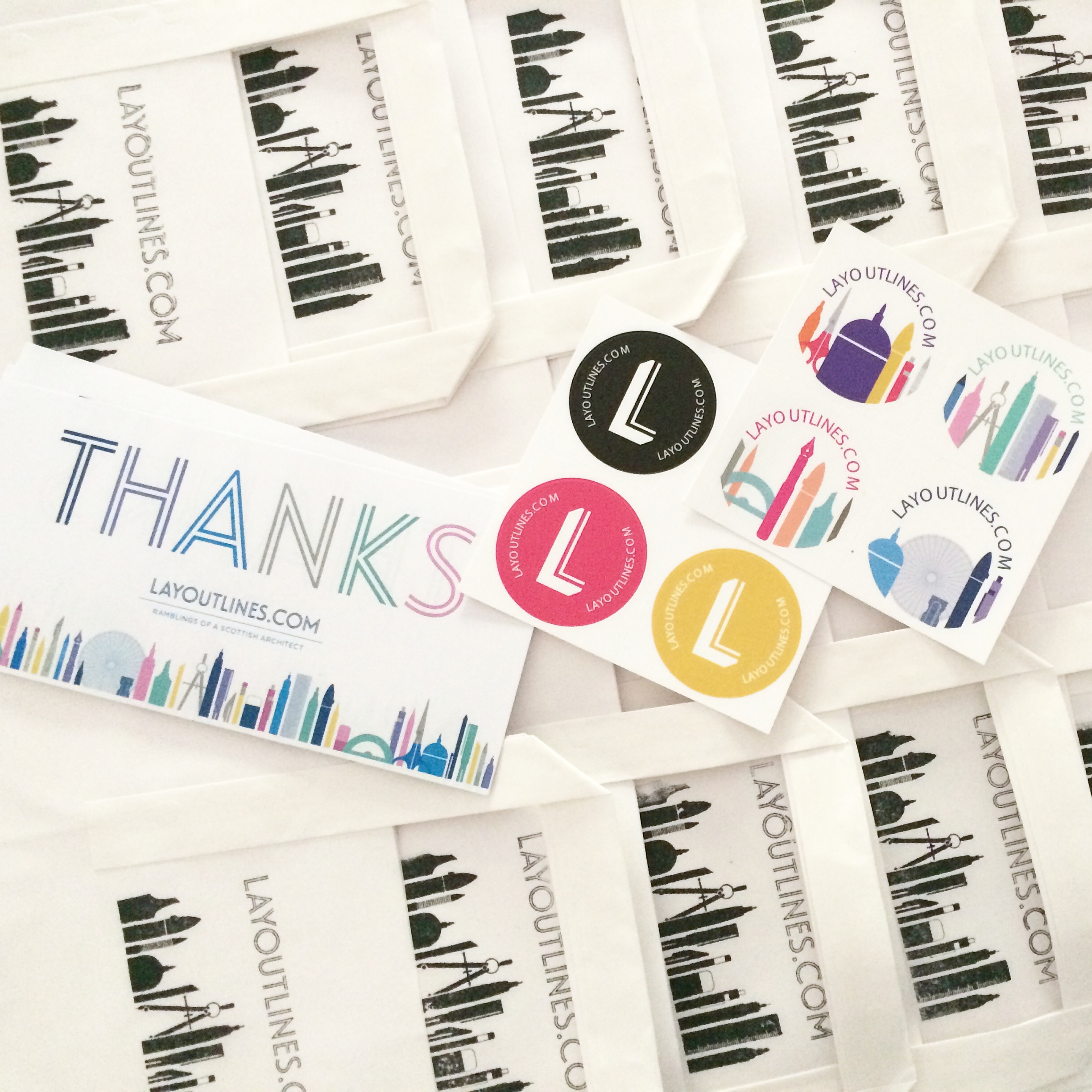
Make sales and packaging easy for yourself so you can help customers quickly and send them happily on their way with a well-packaged product that will not be damaged, shows your branding (especially on the bag they will now be walking around with), and has your contact details on a sticker or business card inside to encourage them to visit your shop or website.
Create a buzz. If you are on social media then get tweeting about your fair. Join or set up a Pinterest group and get pinning the work you will be selling. Talk about it on Facebook and maybe set up an event to invite people to. Announce the event(s) in your newsletter or email your subscribers. Oh, and write a cheeky wee blog post to self-promote.
Rope in a friend/family member to help, that way you can worry about getting your products safely to the fair and setting up the stall, and they can get you there and worry about parking.
Know what you are taking with you to each fair, especially as you may be doing numerous fairs in a month and be rolling stock over from one fair to the next. It's a good idea to know what worked well, what's left over, and what you might want to run as a special offer/stock clearance.
A lot of fairs are in old community centres, church halls or industrial buildings so wrap up warm in layers, bring snacks you can nibble on throughout the day and between speaking to customers, and a flask (or two) of tea.
Wear comfy shoes, you will be standing a lot. Bring a mat (of the camping or yoga variety) or square of carpet to stand on - this will help keep you warm if standing on a concrete floor all day and will cushion you too.
Life as a design student can be intense. Deadlines, presentations, reports, retakes, and the dreaded “computer crash at 2 am” moment. Add in calls from family when you have no time to talk, living on a budget, and you might wonder: why do we put ourselves through it?
Because it’s an investment in your future, your skills, your personal growth, your confidence, and even in the friendships that may last a lifetime. Yes, it’s hard. But it’s also exciting, inspiring, and full of moments you’ll look back on with pride.
I studied Architecture for the full seven years. I moved away from home, pushed myself out of my comfort zone, and met friends who are now part of my professional network. My degree years were a mix of socialising, studying, and late nights in the studio, and I graduated proud of my 2:1. After a year’s work experience in a large practice, I used my savings to travel through Asia and Australia before starting my master’s degree.
My degree was at a technical university, but my postgraduate studies took me to a creative art school. I was awarded a scholarship to complete my master’s in Japan, an experience that changed me completely. Living and studying abroad pushes you to grow in ways you can’t imagine. In Japan, I learned more about myself, my abilities, and my adaptability than I ever would have if I’d stayed in the UK.
Returning home, I found a great job in an architecture office, thinking, “This will do for now.” A few years later, I qualified as an Architect, packed up my desk, and moved to India.
Here’s the thing: when I was a student, I thought I’d work as an architect for the next 20–30 years. I imagined teaching at a university would happen after retirement. I never expected to be doing it in my 30s, loving it as much as I do now.
Many of my students are either on their first work placement or finishing their final year projects. Some have a clear path ahead, others don’t, and that’s okay. Your career won’t be a straight line. It will have twists, detours, and surprises. The key is to stay open, adaptable, and ready to make the most of every opportunity.
Enjoy your time at university | it will probably only happen once.
Soak in the details | the laughs, the lectures, the study trips, even the tough days.
Make your work your own | show your personality through it.
Fake it ‘til you make it | you’ll learn more in the process than you expect.
Stay open-minded | don’t let your CV dictate all your decisions.
Think outside the box | and live there too. Travel, explore, seek adventure.
Document your journey | photos, sketches, journals. You’ll treasure them later.
Stay inspired | read, listen, talk, and share ideas with others.
Trust your path | it will work out, even if it doesn’t look how you imagined.
Aim higher than “fine” | if you want more, go out and make it happen..
Final Thought: Be proud of what you’ve achieved. Keep doing more. Inspire others. And if you know someone studying right now, send them a note, a parcel, or even just a few words of encouragement; it can mean the world.
About Sonia Nicolson
Sonia Nicolson is a British Chartered Architect (ARB) and Fellow of the Higher Education Academy (FHEA). As an Architect and Creative Educator based in Iceland, she helps students and designers build confidence in hand drawing, design, and portfolio skills.
Start your journey on the Start Here page.
Want more support? Explore my free resources and courses.
Architect & former University Lecturer turned Entrepreneur. I help female Entrepreneurs successfully Design & Build their Creative Businesses in Interior Design, Architecture & Urban Sketching.

Architect & Creative Educator helping you design and build your career and creative business in Interior Design, Architecture and Urban Sketching.
ARB - British Chartered Architect
FHEA - Fellow of the Higher Education Academy
Former Academic Director, Raffles Design Institute (India)
Academic Representative, British Council (Design Education)


Sketching Reykjavík, studio life, and creative tutorials. Follow on Instagram @SoniaNicolson

Home | About | Free Resources | Courses | Shop | Reykjavik Sketcher | FAQ | Contact
Press | Wholseale | Privacy Policy | T&C
Copyright © 2025 Sonia Nicolson